
Power of Dedicated Training Programs
Overview
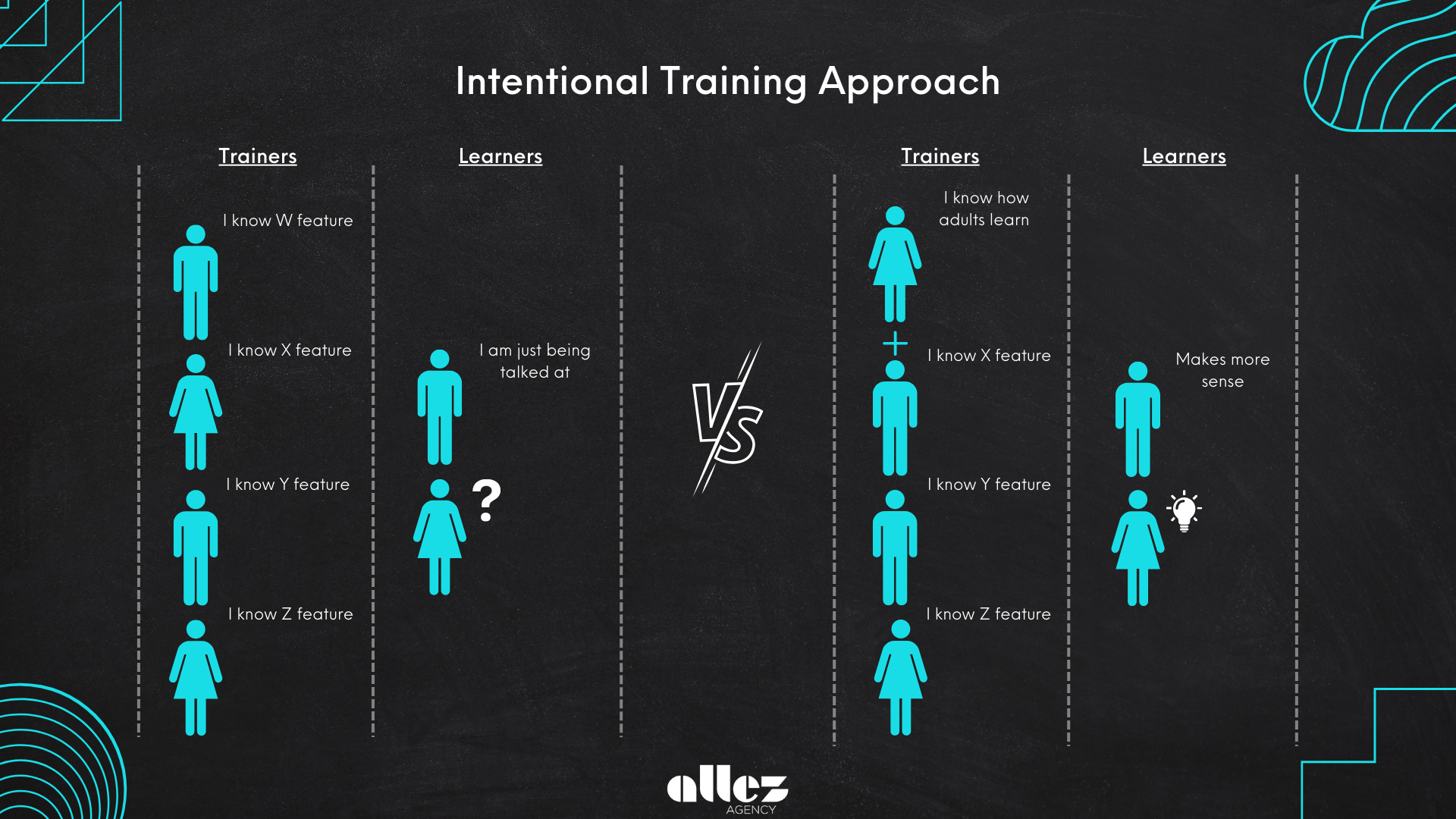
NWEA’s support team brought in seasonal contractors for peak support periods. The training was conducted by senior support staff and served as an auxiliary role to their daily duties. The training program was long (3 weeks) compared to the contracts' length (9-12 weeks), and the contractors struggled to be effective and efficient once they were ready to support customers. The customer experience was subpar due to poor first-contact resolution, unnecessary escalations to seasoned staff, and contractor job dissatisfaction stemming from feeling underprepared. The goal of the project was to highlight the benefits of a dedicated training resource that implemented adult learning methodologies to effectively overhaul the contractor training program and provide year-round, ongoing training for full-time staff.
The Approach
Initially, using the ADDIE model and later Agile development practices paired with adult learning theories, the program was evaluated for opportunities for enhancement. Through this process, we identified the following opportunities.
Defined the essential skills, knowledge, and abilities a contractor should possess before hiring.
Defined the basic skills and knowledge a contractor should have post-training (success criteria).
Tag all content that was relevant and should be kept in the training program.
Moved all the excess content to supplemental training during the later stages of a contractor for high-potential contractor conversions.
Identified content that should be overhauled and adult learning theories added to enhance content retention.
Highlighted the importance and value of having a dedicated training resource who understood adult learning theories for content creation and delivery, which was supplemented with subject matter expert support.
Created a development backlog for updating existing assets and developing new ones to narrow focus and maximize time to value.

Biggest Challenge
Developing a compelling business case that supported the organization's investment in a training role and program. Training programs can be complex at times and may not demonstrate direct value when there is already a functioning program in place. To create a compelling case, we focused on three areas of improvement and the associated cost savings.
Reduction in classroom time for contracted staff by implementing a more focused training program with a dedicated training specialist (hard dollars).
Implementing adult learning methodologies enhances content retention and reduces subpar customer support experiences (soft dollars).
Continuous training programs to support new product and feature releases for full-time staff, which increases efficiency and accuracy of support interactions (soft dollars).

Outcomes
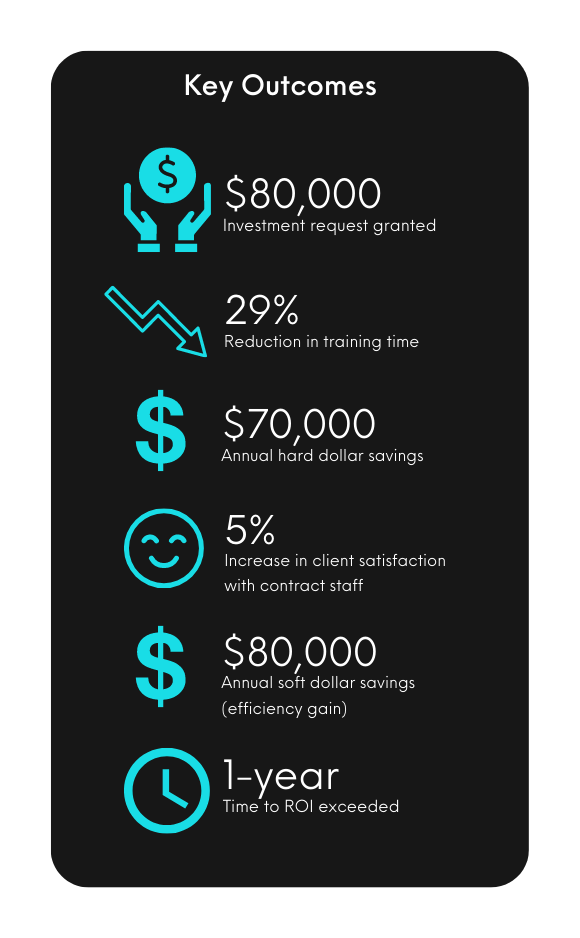
The new role was approved the following fiscal year, 6 months after the idea was initially explored. Over the 6 months, two support team members interested in the role used their downtime to enhance the training program and develop their skills in anticipation of the role becoming available. During the first year of implementation, we were able to reduce the length of contractor onboarding by 29% or 4.5 days, which was the most significant improvement to show efficacy around the monetary investment by the organization. The cultural change within the team was another benefit as it opened career pathing and additional skill-building opportunities. Paved the way for a new team launching focused on product training for staff and customers, 24 months later.
Initiative Lead: Austin Christian
Project Leads: Austin Christian, Ike Graul, Jake Fee
Project Members: Brian Ross, Patricia Dorsey, and Thomas Wells